Structural Engineering Leadership
Charles Besjak served as a key project engineer at Thornton Tomasetti during the design and construction of the Petronas Twin Towers. His role placed him at the centre of one of the most complex structural engineering undertakings of the 20th century, responsible for coordinating the structural analysis, detailed design, and construction-phase engineering of the world's tallest buildings.
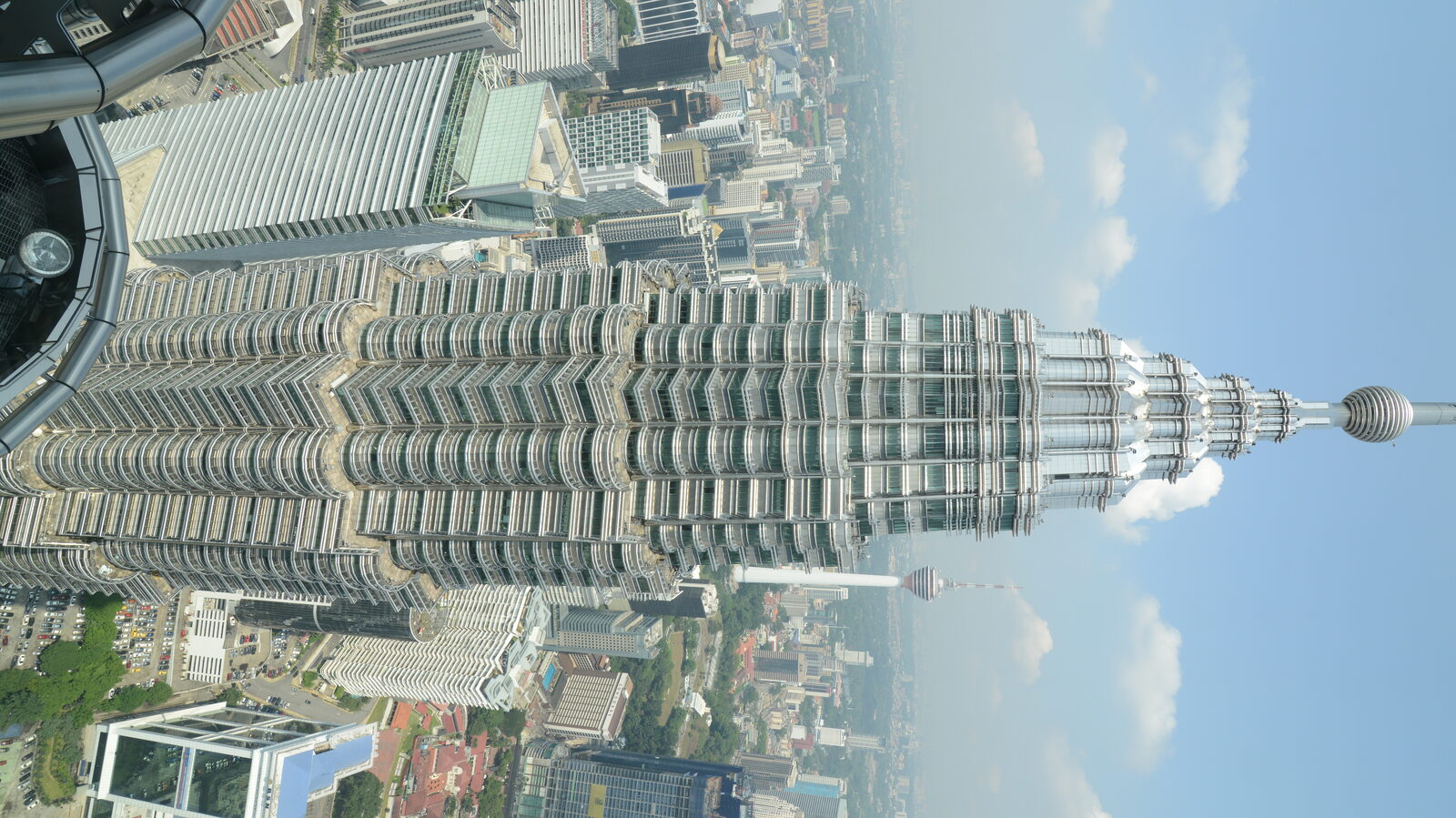
Besjak's work on the Petronas project required mastery of multiple engineering disciplines. The towers' tube-in-tube structural system, constructed primarily from high-strength reinforced concrete, demanded sophisticated analysis of wind loads, gravity loads, and their combined effects on a building of unprecedented height. His team conducted extensive computer modelling and wind tunnel testing to validate the structural design.
Technical Challenges
Among the most significant technical challenges Besjak faced was the design of the structural system to resist Malaysia's monsoon winds. While Kuala Lumpur does not experience typhoons, the towers' extreme height made them susceptible to wind-induced accelerations that could cause discomfort to occupants. The use of high-strength concrete, rather than steel, provided superior damping characteristics that helped control building motion to acceptable levels.
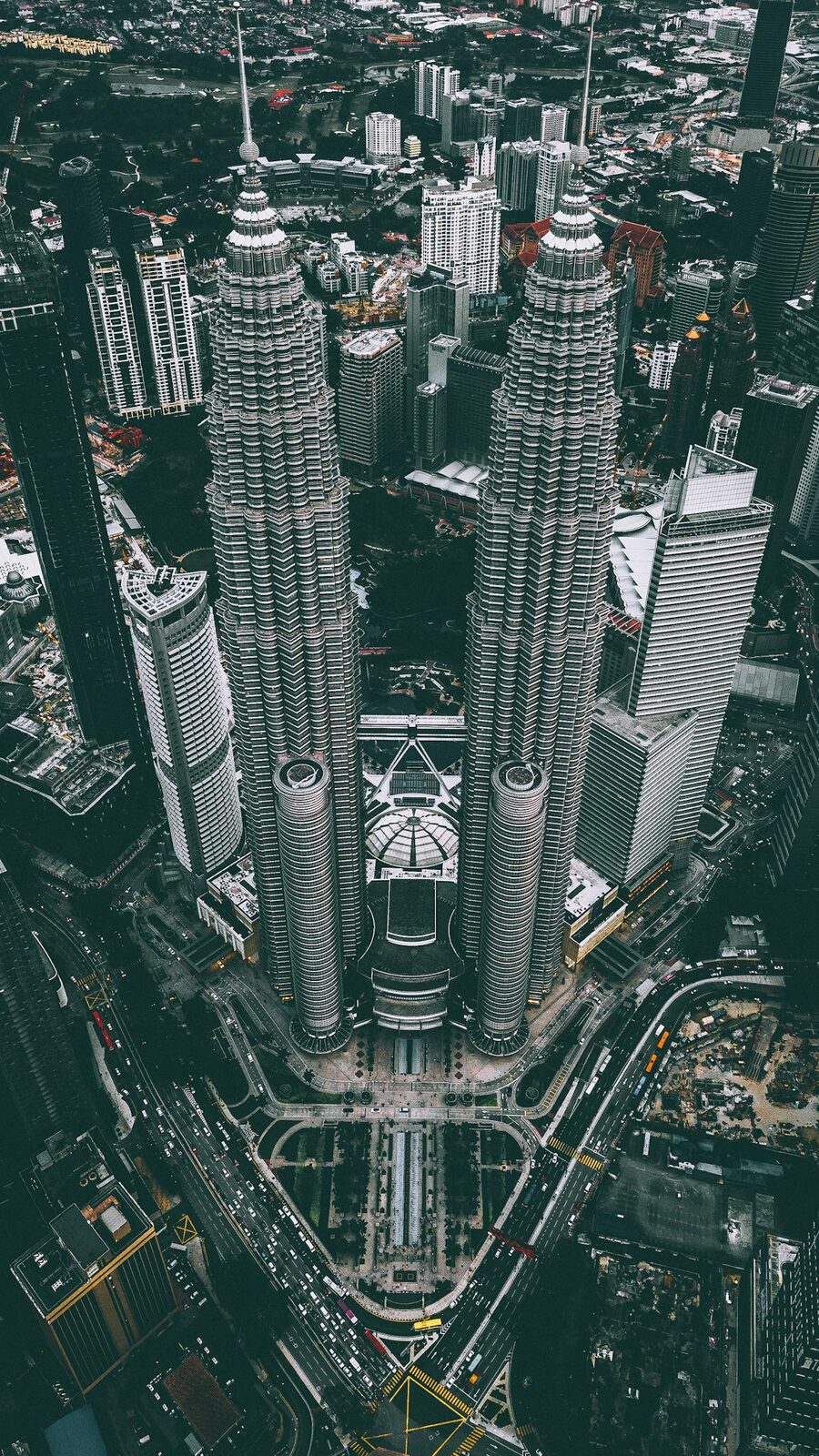
Besjak also contributed to the engineering of the skybridge connection. The decision to allow the bridge to move independently of the towers — rather than rigidly connecting them — was an innovative solution that prevented the bridge from becoming a structural weak point during differential movement of the two towers under wind loading.
The coordination between structural and architectural design was another area where Besjak's skills were essential. The eight-pointed star floor plan, while architecturally striking, created complex structural geometries that required careful engineering to ensure efficient load transfer from the floors to the core and perimeter columns.
Professional Impact
Besjak's experience on the Petronas Towers contributed to Thornton Tomasetti's growing reputation as one of the world's premier structural engineering firms. The lessons learned during the project — particularly regarding the design of supertall concrete structures and the management of complex international construction projects — informed the firm's approach to subsequent tall building projects around the world.
His work demonstrated that supertall buildings could be successfully constructed from reinforced concrete, challenging the assumption that steel was the only viable material for buildings of this height. This insight opened new possibilities for tall building construction in regions where concrete was more readily available and cost-effective than structural steel.