The Design Manager
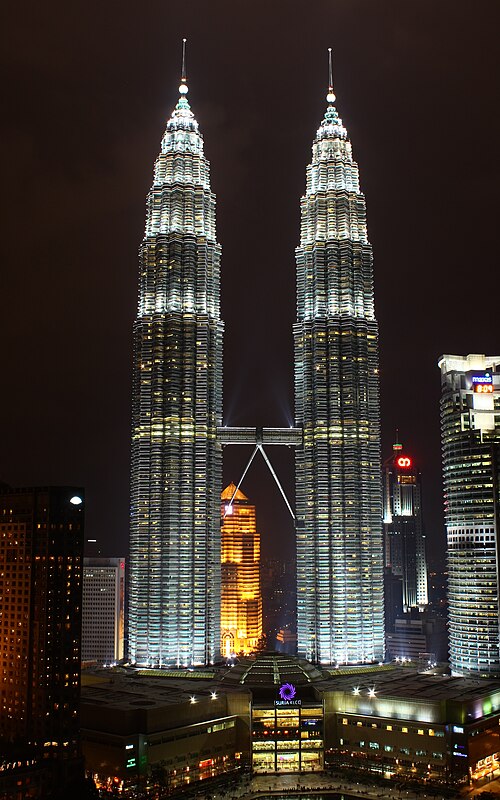
Fred Clarke served as a senior project architect at Cesar Pelli & Associates during the design and construction of the Petronas Twin Towers. In this role, Clarke was responsible for managing the day-to-day design development of the project — translating Pelli's conceptual vision into the thousands of detailed drawings and specifications required to actually build the world's tallest towers.
The scope of Clarke's responsibility was immense. The Petronas Towers comprised 88 floors per tower, a double-decker skybridge, extensive underground levels, and connections to the adjacent Suria KLCC shopping mall and Petronas Philharmonic Hall. Coordinating the architectural design across this complex programme required exceptional organisational skills and an ability to maintain design consistency across hundreds of thousands of individual design decisions.
Managing Complexity
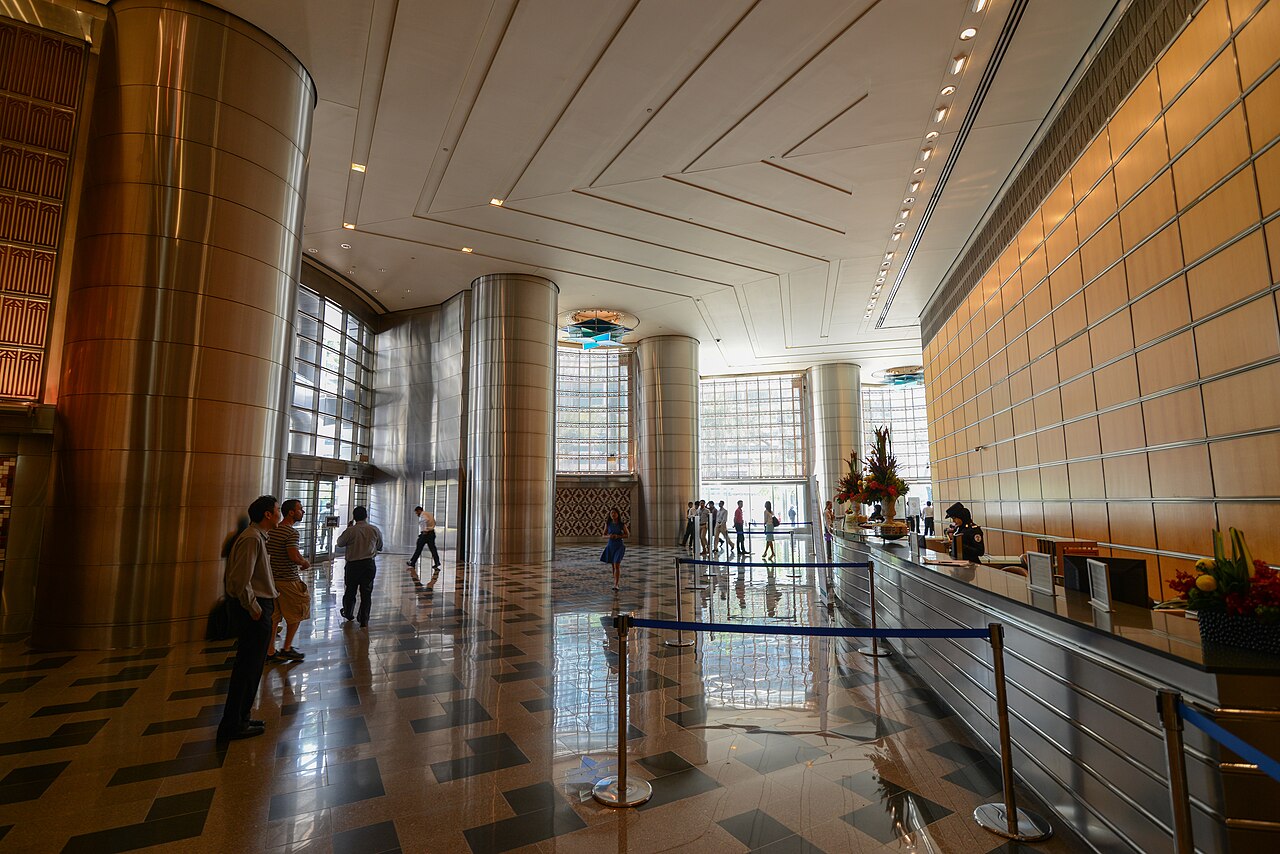
One of Clarke's most significant challenges was ensuring that the Islamic design principles established by Pelli were carried through consistently at every scale — from the overall building form down to the smallest interior details. The geometric patterns derived from the Rub el Hizb motif needed to work aesthetically and functionally at the scale of the floor plan, the facade panels, the lobby floor patterns, and the interior fittings.
Clarke also managed the coordination between the architectural team and the numerous engineering consultants, including structural engineers Thornton Tomasetti, foundation specialists Bachy Soletanche, and the mechanical, electrical, and plumbing engineers. With construction teams from Japan and South Korea building the two towers simultaneously, Clarke's team had to ensure that design information flowed accurately and efficiently to both teams.
Design Development Challenges
The facade design presented particular challenges. The 33,000 stainless steel panels and 55,000 glass panels that clad the towers needed to accommodate the complex geometry of the eight-pointed star floor plan while providing adequate thermal performance in Malaysia's tropical climate. Clarke's team worked closely with facade consultants to develop a cladding system that met both aesthetic and performance requirements.
The interior design of the public spaces — particularly the main lobbies, the skybridge, and the observation deck — required Clarke's team to integrate traditional Malaysian and Islamic decorative motifs with modern materials and construction techniques. The resulting interiors feature songket weaving patterns, Islamic geometric tilework, and carefully selected Malaysian materials, all executed with contemporary precision.
Legacy
Clarke's contribution to the Petronas Twin Towers exemplifies the critical but often overlooked role of the project architect in major building projects. While the lead architect provides the creative vision, it is the project architect who ensures that vision is realised in every detail. Clarke's meticulous management of the design process was essential to the towers' success as both an architectural statement and a functional office building.