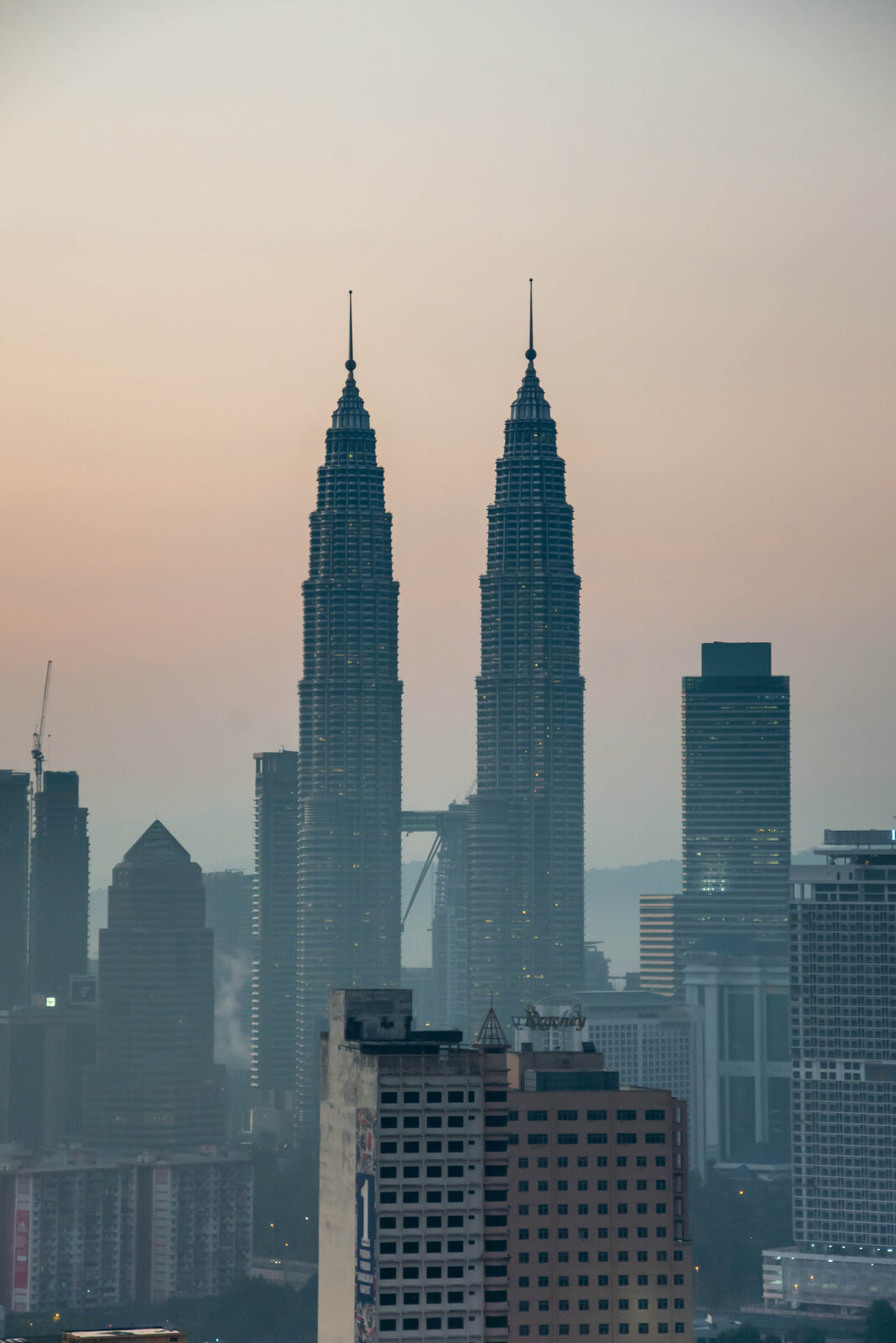
A Nation in Transformation
To understand the Petronas Twin Towers, one must first understand the economic context in which they were conceived. In the late 1980s and early 1990s, Malaysia was undergoing one of the most rapid economic transformations in history. GDP growth consistently exceeded 8% annually, driven by a deliberate shift from agriculture and raw commodities to manufacturing, electronics, and services.
Prime Minister Mahathir Mohamad's "Wawasan 2020" (Vision 2020), announced in 1991, articulated the goal of making Malaysia a fully developed nation by 2020. The Petronas Twin Towers were conceived as both a symbol and an engine of this transformation — a physical manifestation of national ambition that would also serve as a catalyst for economic development.
The Petronas Factor
Petronas, Malaysia's national petroleum corporation, was the financial engine behind the towers. Founded in 1974, Petronas had grown into one of the most profitable oil and gas companies in the world, generating revenues that funded much of Malaysia's infrastructure development. The decision to house Petronas's headquarters in the world's tallest buildings was a statement of corporate and national confidence.
The towers' construction directly injected US$1.6 billion into the Malaysian economy, creating thousands of jobs in construction, engineering, and related services. More importantly, the project facilitated technology transfer, as Malaysian workers and firms gained expertise in supertall building construction, sophisticated concrete technology, and complex project management.
KLCC: A New Economic District
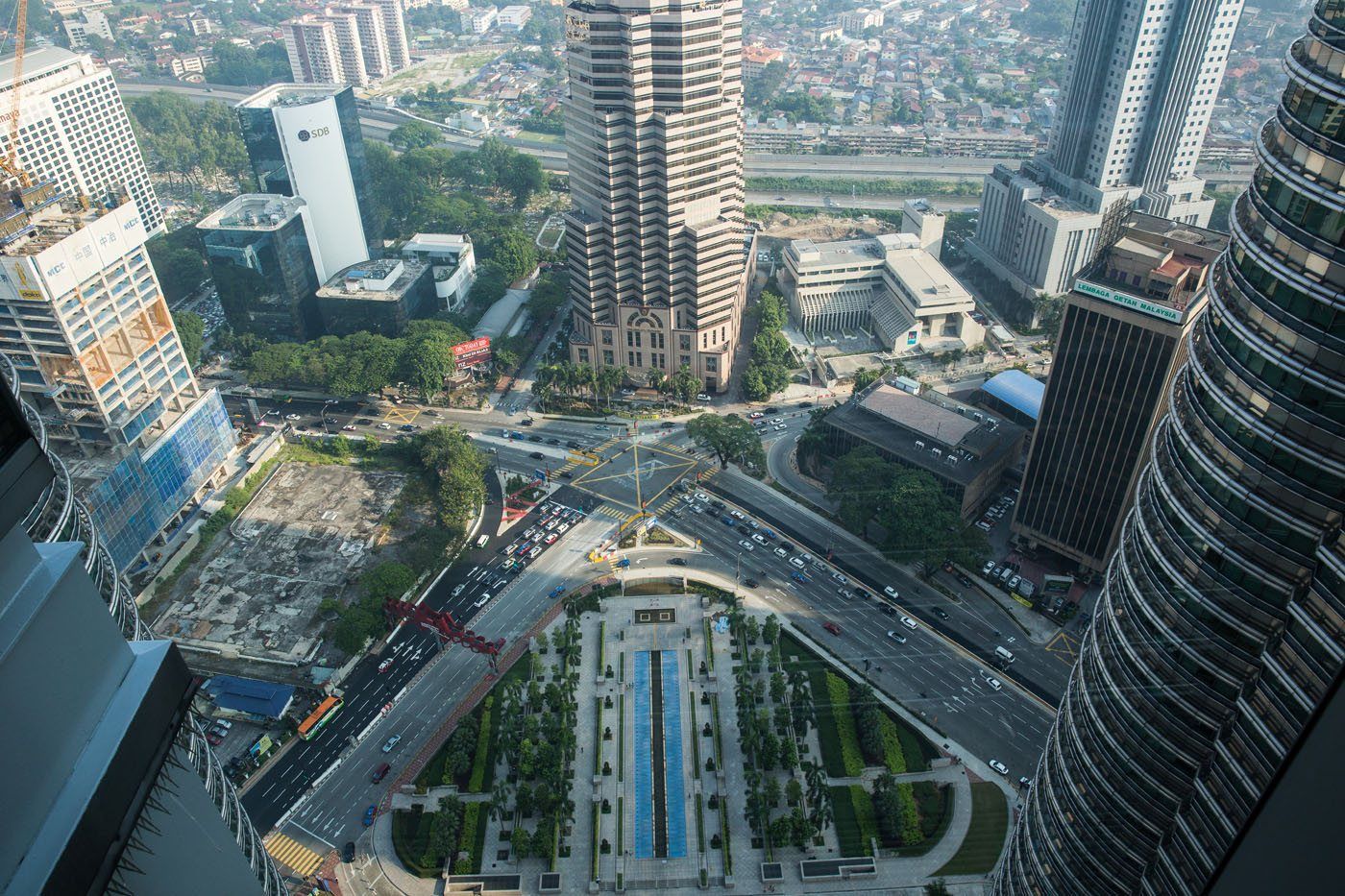
The Petronas Twin Towers were the centrepiece of the larger KLCC (Kuala Lumpur City Centre) development, which transformed 100 acres of former racecourse into one of Southeast Asia's premier commercial districts. The KLCC precinct now includes the towers, Suria KLCC mall, KLCC Park, the Petronas Philharmonic Hall, the Mandarin Oriental Hotel, and numerous commercial office buildings.
This concentration of premium commercial, retail, and entertainment facilities created a self-reinforcing cycle of economic activity. The towers attracted major international corporations to establish regional offices in the KLCC district, which in turn attracted more retail and hospitality investment, which further increased the area's attractiveness to corporate tenants.
Tourism Engine
The towers' impact on Malaysian tourism has been transformative. Before the towers, Kuala Lumpur was a relatively minor stop on Southeast Asian travel itineraries. Today, the Petronas Twin Towers are Malaysia's most visited tourist attraction, drawing millions of visitors annually from around the world.
The economic multiplier effect of this tourism is substantial. Visitors who come to see the towers also spend money on hotels, restaurants, transportation, shopping, and visits to other Malaysian attractions. The towers effectively serve as a gateway attraction that introduces international visitors to the broader Malaysian tourism offering.
Confidence and Investment
Perhaps the towers' greatest economic contribution has been intangible: the confidence they inspired in Malaysia's ability to compete globally. The successful completion of the world's tallest buildings demonstrated that Malaysia possessed the governance, technical capability, and financial resources to execute projects of global significance. This perception helped attract foreign direct investment across multiple sectors, contributing to Malaysia's continued economic development.
The towers also inspired other Malaysian mega-projects, including the development of Putrajaya (the new administrative capital), the Multimedia Super Corridor (Malaysia's Silicon Valley equivalent), and most recently, the construction of Merdeka 118 — which surpassed the Petronas Towers as Malaysia's tallest building in 2023.