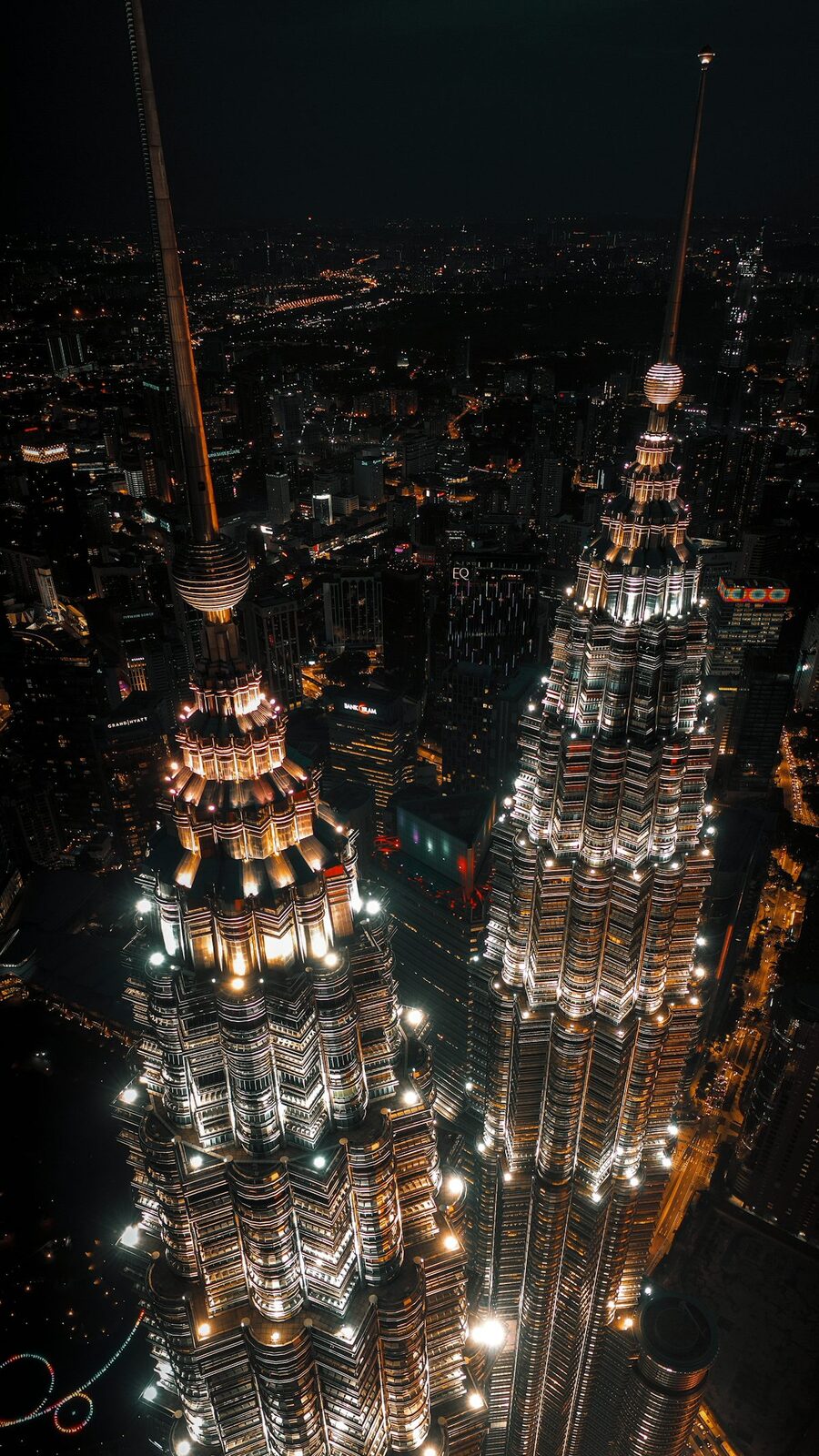
A Symbol of National Transformation
When the Petronas Twin Towers were inaugurated on Malaysia's Independence Day in 1999, they represented far more than an architectural achievement. They were a declaration — a statement that Malaysia, a Southeast Asian nation that had gained independence only four decades earlier, could conceive, finance, and build the world's tallest structures. In a global landscape dominated by Western economic and cultural power, the towers announced that the centre of gravity was shifting.
For Malaysians, the towers embodied the concept of "Wawasan 2020" (Vision 2020), Prime Minister Mahathir Mohamad's ambitious plan to transform Malaysia into a fully developed nation by the year 2020. The towers were physical proof that this vision was not mere rhetoric but achievable reality. They instilled a sense of national pride that transcended ethnic and religious divisions, uniting Malaysia's diverse population — Malay, Chinese, Indian, and indigenous communities — around a shared symbol of collective achievement.
Economic Catalyst
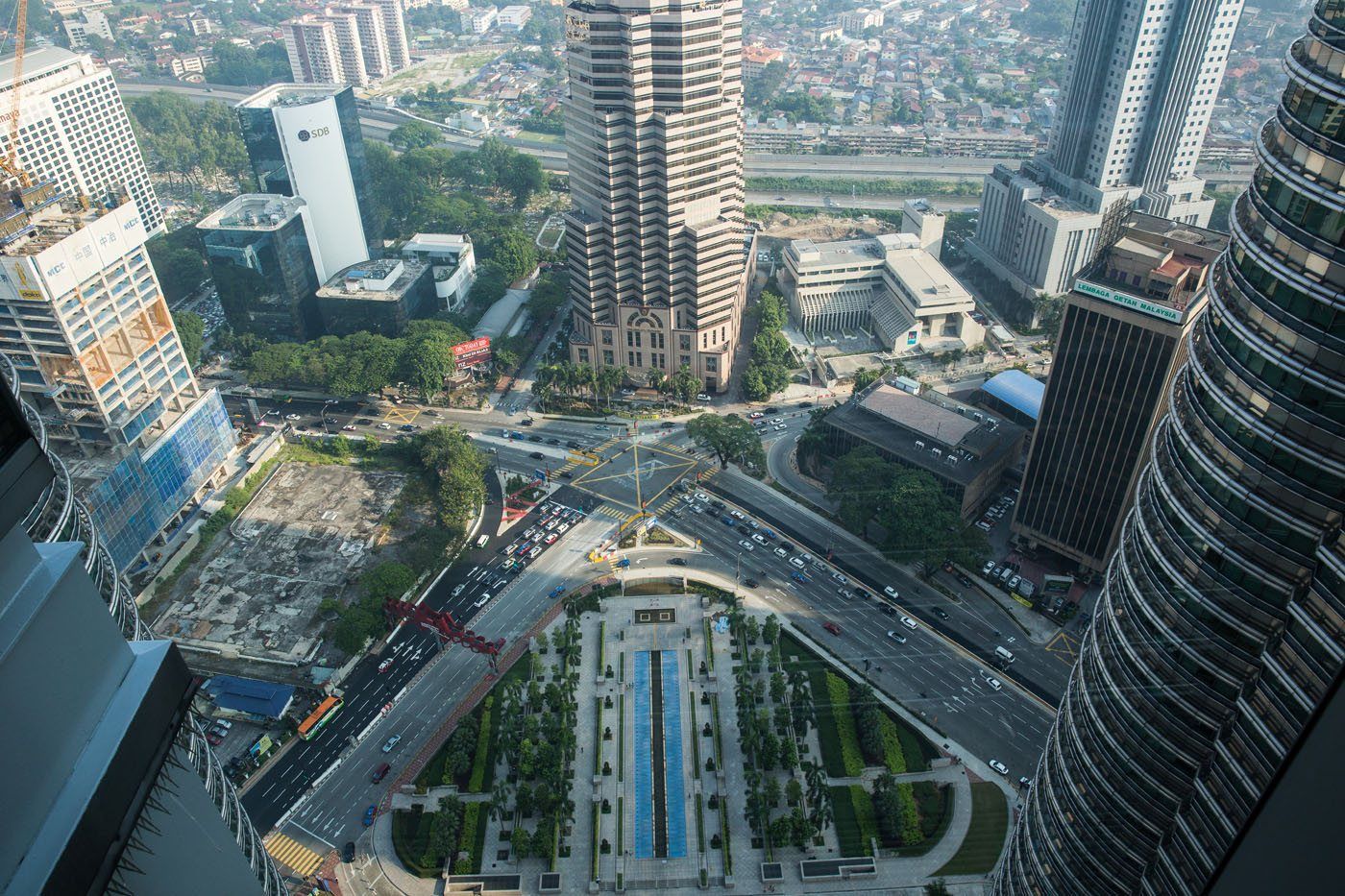
The economic impact of the Petronas Twin Towers extends far beyond the $1.6 billion construction cost. The KLCC (Kuala Lumpur City Centre) development, of which the towers are the centrepiece, transformed what had been a racecourse into one of Southeast Asia's premier commercial, retail, and entertainment districts.
Suria KLCC, the shopping mall at the towers' base, attracts millions of visitors annually and houses approximately 350 retail outlets, including international luxury brands alongside local Malaysian retailers. The surrounding KLCC precinct has become Kuala Lumpur's most prestigious business address, with office rents and property values among the highest in the country.
Tourism revenues generated by the towers are substantial. The observation deck and skybridge attract hundreds of thousands of ticketed visitors each year, while millions more visit the surrounding areas. Hotels, restaurants, and shops in the vicinity benefit from the constant flow of tourists drawn by the towers' fame. The towers have been estimated to contribute billions of ringgit annually to the Malaysian economy through direct and indirect tourism spending.
Malaysia on the World Stage
Before the Petronas Twin Towers, Kuala Lumpur was relatively unknown outside Asia. The towers changed that virtually overnight. They became Malaysia's most recognized image internationally, appearing on travel posters, airline advertisements, and magazine covers around the world. The towers established Kuala Lumpur as a must-visit destination, dramatically increasing international tourist arrivals to Malaysia.
The towers also positioned Malaysia as a credible venue for international events, conferences, and business activities. The perception shift was significant: Malaysia moved from being viewed primarily as a source of rubber and palm oil to being recognized as a modern, technologically capable nation with world-class infrastructure.
Islamic Identity in Modern Architecture
The Petronas Twin Towers hold particular significance in the Islamic world. They demonstrated that Islamic architectural principles could be applied to the most modern building type — the supertall skyscraper — without compromising either tradition or functionality. The use of the Rub el Hizb floor plan and Islamic geometric patterns on the facade showed that Islamic culture could be a source of innovation rather than merely a subject of preservation.
This message resonated powerfully across Muslim-majority countries, many of which were grappling with questions of cultural identity in an era of rapid globalisation. The towers offered a model: it was possible to be thoroughly modern while remaining authentically rooted in Islamic cultural values.
Legacy in Popular Culture
The Petronas Twin Towers have appeared in numerous films, including "Entrapment" (1999) starring Sean Connery and Catherine Zeta-Jones, which featured a dramatic sequence on the skybridge. They have been featured in countless documentaries, television programs, and video games, cementing their status as one of the world's most recognizable architectural landmarks.
In Malaysian popular culture, the towers are omnipresent — appearing on currency, postage stamps, corporate logos, and as a motif in art and literature. They have become as central to Malaysian identity as the Eiffel Tower is to French identity or the Statue of Liberty to American identity.