Local Expertise, Global Standards
Rahim Ahmad represents the generation of Malaysian engineers who played indispensable roles in the construction of the Petronas Twin Towers. While international firms provided specialised expertise in supertall building design, it was Malaysian engineers like Rahim who ensured that this expertise was effectively adapted to local conditions, regulations, and construction practices.
Working with Ranhill Bersekutu Sdn Bhd, the local structural engineering partner, Rahim and his colleagues provided critical knowledge of Malaysian soil conditions, climate factors, and building codes. Their understanding of tropical engineering challenges — including intense heat, heavy monsoon rainfall, and the specific characteristics of Malaysian geological formations — was essential to the project's success.
Bridging Two Worlds
The role of Malaysian engineers on the Petronas project was multifaceted. They served as technical interpreters, helping international teams understand the nuances of local construction practices and material availability. They navigated the regulatory landscape, ensuring compliance with Malaysian building codes and standards. And they supervised construction quality, applying their knowledge of local workmanship standards to maintain the exacting quality requirements of the project.
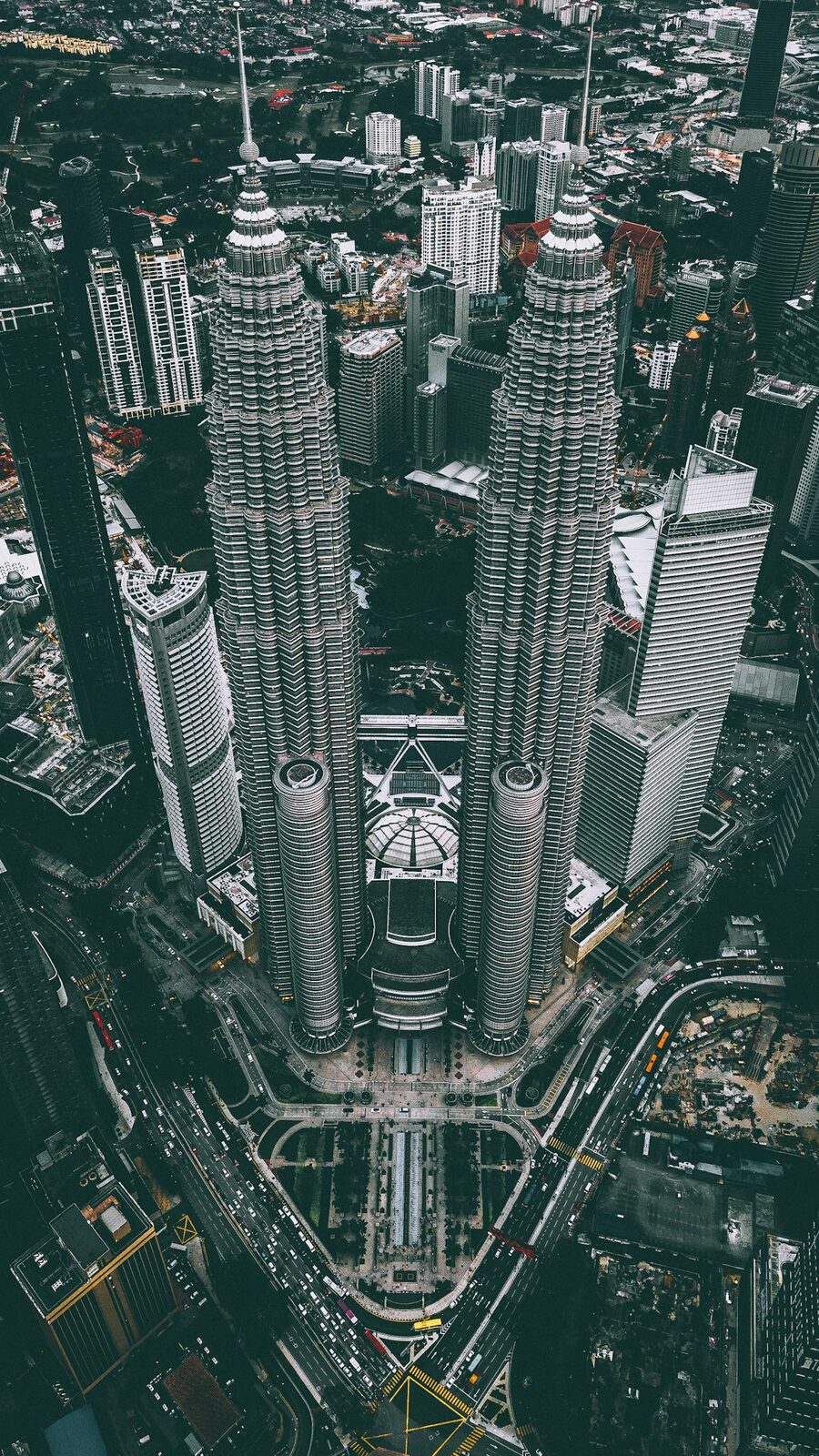
Rahim's contributions were particularly important during the foundation phase. The complex geology of the KLCC site — with its mixture of limestone and Kenny Hill formation rock — required engineers with deep knowledge of Malaysian soil mechanics. Local engineers' familiarity with these geological conditions complemented the international team's expertise in deep foundation design, resulting in the innovative pile system that supported the world's tallest buildings.
Technology Transfer and Capacity Building
One of the Malaysian government's key objectives for the Petronas project was technology transfer — ensuring that Malaysian engineers gained expertise in supertall building design and construction that would benefit the country's future development. Engineers like Rahim were at the forefront of this knowledge exchange, absorbing cutting-edge techniques from their international counterparts while contributing their own expertise to the project.
This technology transfer proved enormously valuable. The skills and knowledge gained during the Petronas project enabled Malaysian engineering firms to participate in subsequent major projects both domestically and internationally. The confidence and credibility built through the towers' successful completion helped establish Malaysia as a country with genuine engineering capabilities at the highest level.
Legacy
Rahim Ahmad's story reflects the broader impact of the Petronas Twin Towers on Malaysia's engineering profession. The project demonstrated that Malaysian engineers could work effectively alongside the world's best, contributing meaningfully to a project of global significance. This legacy continues to inspire young Malaysian engineers and has helped build an engineering sector that is now recognised as one of the strongest in Southeast Asia.