Thornton Tomasetti: Structural Engineering Excellence
The structural engineering of the Petronas Twin Towers was entrusted to Thornton Tomasetti, one of the world's most respected structural engineering firms. Founded in New York in 1956, the firm had already built a reputation for innovative solutions to complex structural challenges when they were appointed to the Petronas project in the early 1990s.
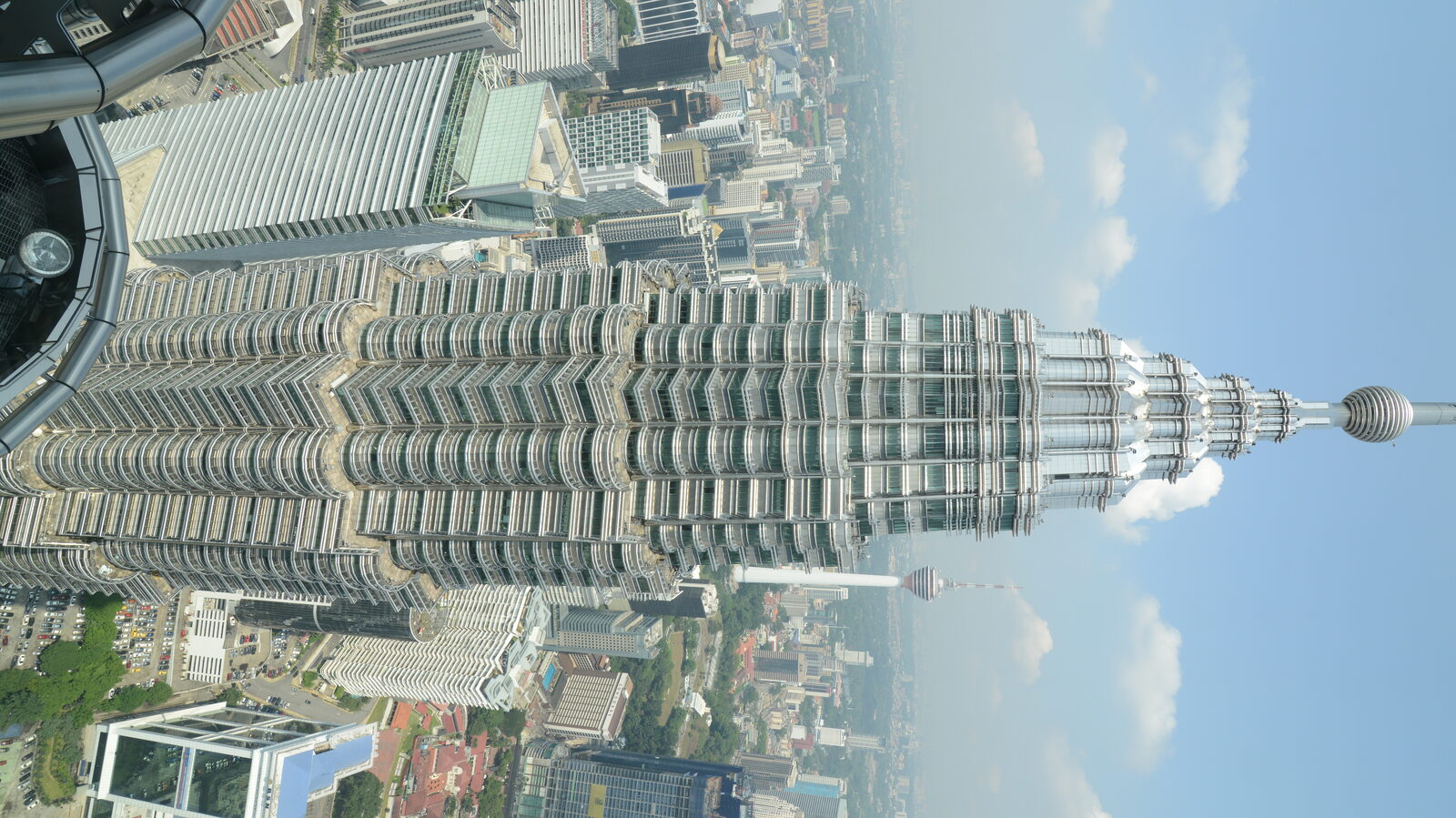
For the Petronas Towers, Thornton Tomasetti developed a tube-in-tube structural system — a concept originally pioneered by the legendary structural engineer Fazlur Rahman Khan. This system uses a central concrete core surrounded by an outer ring of widely spaced super columns, connected by ring beams at each floor. The design provides exceptional resistance to lateral forces (wind and seismic loads) while maximizing column-free office space.
The firm's engineers conducted extensive wind tunnel testing and dynamic analyses to ensure the towers could withstand Malaysia's monsoon winds and potential seismic activity. Their decision to use high-strength reinforced concrete rather than steel for the primary structure was both innovative and practical — concrete provided superior sway reduction while utilizing locally available materials and expertise.
Ranhill Bersekutu: Malaysian Engineering Partnership
Ranhill Bersekutu Sdn Bhd served as the local structural engineering partner, working alongside Thornton Tomasetti to ensure the design met Malaysian engineering standards and practices. Their role was essential in bridging the gap between international engineering methods and local construction capabilities.
Ranhill's engineers provided critical knowledge of local soil conditions, climate factors, and building regulations. They participated in the foundation design process and supervised structural work on-site, ensuring that the quality of construction matched the precision of the design. Their involvement represented Malaysia's growing engineering capacity and the government's commitment to developing local expertise through international partnerships.
Bachy Soletanche: Foundation Specialists
The French geotechnical engineering firm Bachy Soletanche was responsible for one of the most critical and challenging aspects of the entire project: the foundations. Given the site's problematic geology — decayed limestone overlying deep bedrock — the foundation design required extraordinary expertise.
Bachy Soletanche's team bored 104 concrete piles per tower to depths of 60 to 114 metres, creating what were then the world's deepest building foundations. They then oversaw the massive concrete raft pours, each consuming 13,200 cubic metres of concrete over 54 continuous hours. Their successful completion of the foundations within 12 months was a remarkable achievement that kept the entire project on schedule.
The Skybridge Engineers
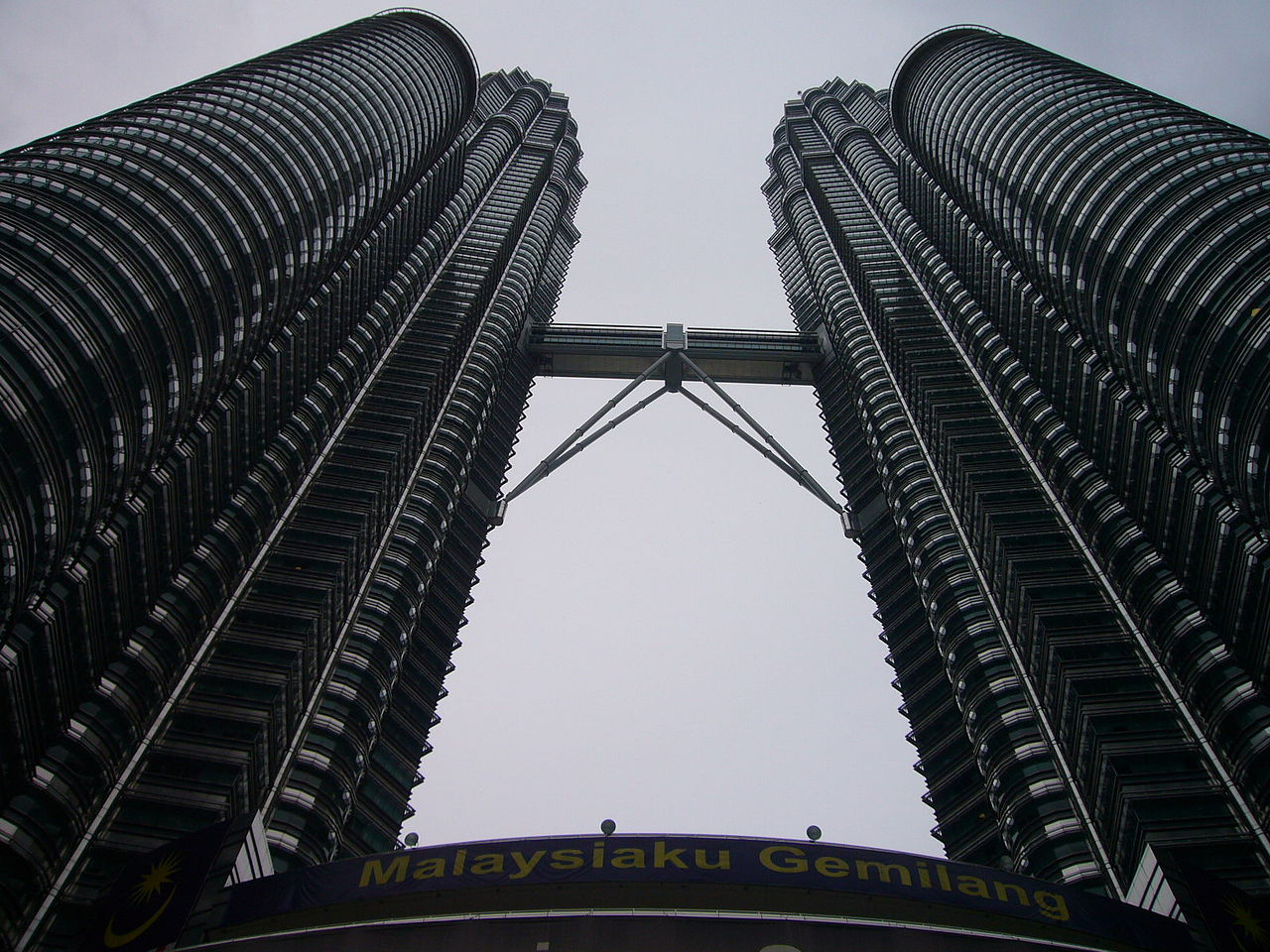
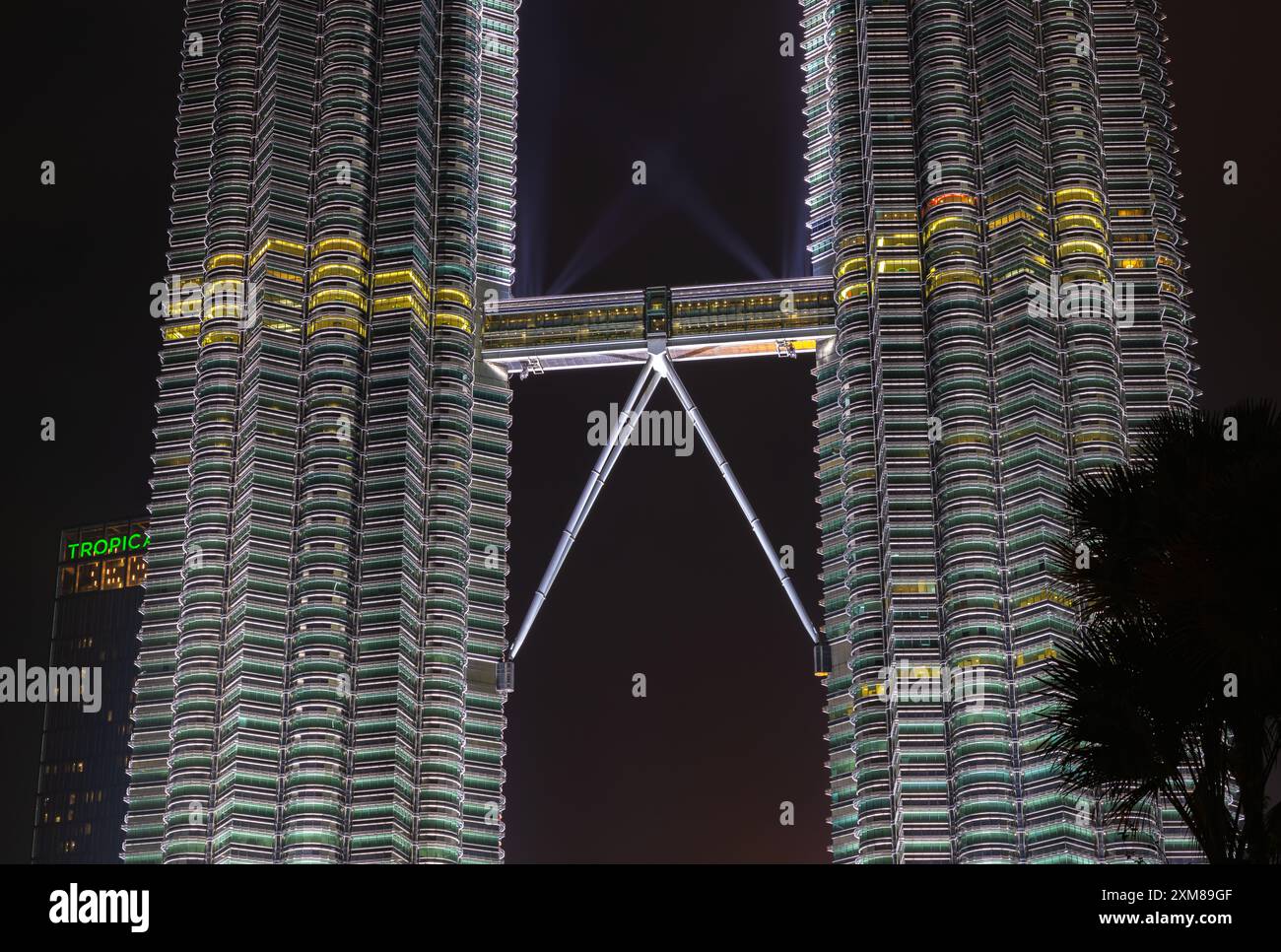
The design and installation of the skybridge connecting the two towers at the 41st and 42nd floors was one of the project's most complex engineering challenges. Thornton Tomasetti designed the bridge with slender structural members rather than heavy trusses, prioritizing aesthetic elegance while ensuring structural integrity.
The bridge's innovative design allows it to move independently of either tower, accommodating wind-induced sway through a system of ball joints, rocker bearings, and slide bearings. Kukdong Engineering & Construction, a South Korean firm, was contracted to fabricate and install the 750-tonne structure, which was pre-assembled on the ground and then lifted into place 170 metres above street level in a complex nine-step operation.
Innovation Under Pressure
The engineering of the Petronas Twin Towers required constant innovation. When a batch of concrete failed a routine strength test during construction, work was halted at an estimated cost of $700,000 per day until the problem was resolved. Three separate concrete batching plants were subsequently established on-site to prevent future supply issues.
When one of the towers was found to have developed a slight tilt during construction, engineers devised an elegant solution: they adjusted the construction of subsequent floors to lean in the opposite direction, gradually correcting the alignment. These real-time problem-solving capabilities demonstrated the exceptional skill and adaptability of the entire engineering team.